


Members of the World Scout Committee and the World Association of Girl Guides and Girl Scouts (WAGGGS) World Board met at Gilwell Park in London, United Kingdom, on 24 September 2026 for an important opportunity to reflect on the relationship between our two global Movements, and explore how we can work better together in the future.
The meeting created space for an open and constructive conversation about the priorities that WAGGGS and World Scouting share, where our Movements are different, and where closer collaboration could create greater opportunities and impact for young people and volunteers.
Daniël Corsen, Chairperson of the World Scout Committee, and Sarah Govan-Sisk, Chairperson of the WAGGGS World Board, opened the meeting by recognising the importance of building on the long history, experience and strengths of both Movements and looking ahead together.
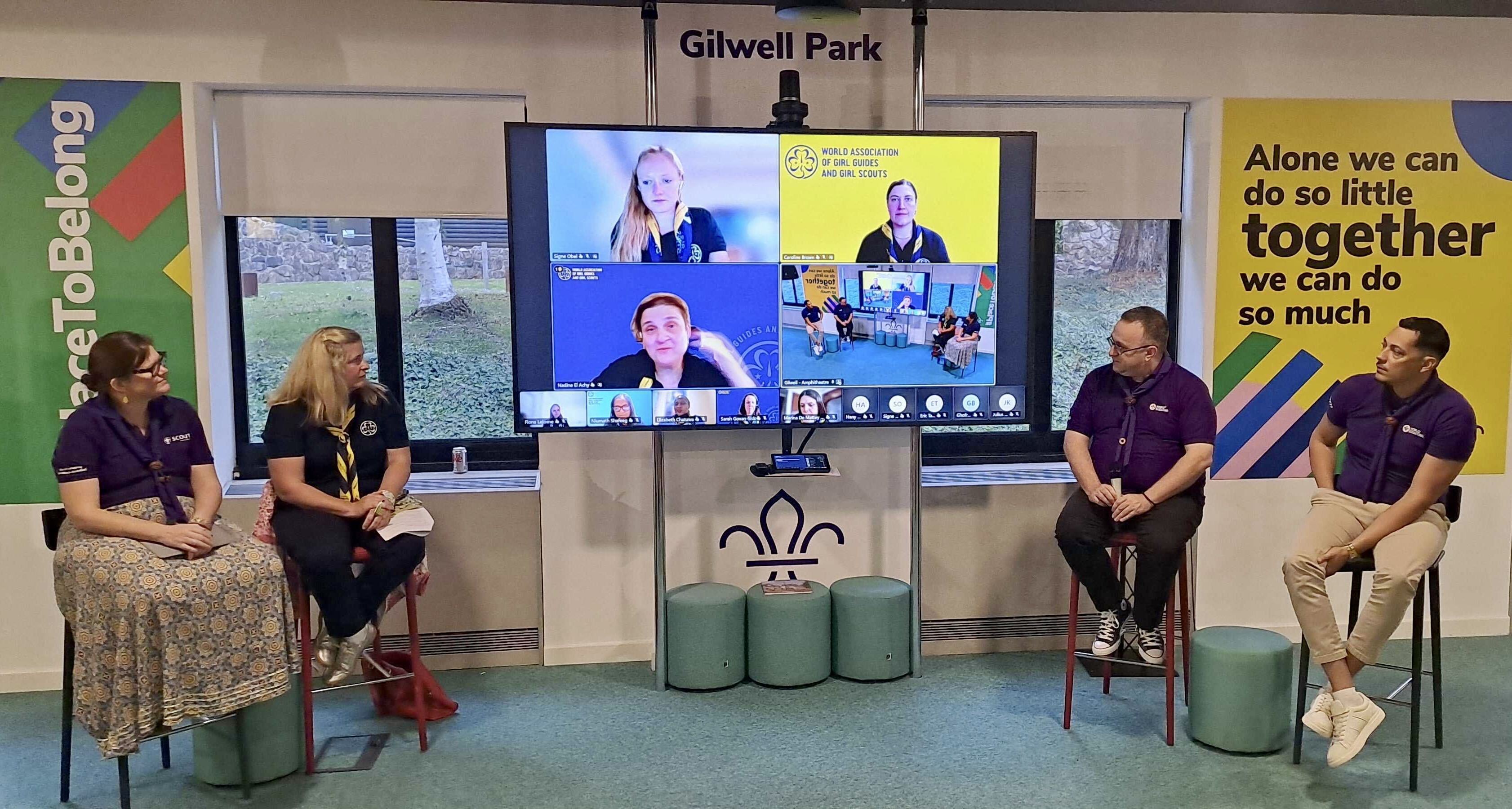
Exploring opportunities to work together
A panel discussion with WAGGGS and World Scouting Board members explored areas where the two organisations could learn from each other, share expertise and work together more effectively.
This included advancing the importance of non-formal education on the global stage, recruiting, retaining and engaging volunteers across both Movements, and exploring how best to serve organisations with shared membership across World Scouting and WAGGGS. Safeguarding was also identified as an important area for collaboration, including practices, programmes and policies that continue to make Guiding and Scouting safe for all.
The Boards also discussed increasing the reach and impact of both Movements to connect with more young people and volunteers, and widen access to international events and education opportunities across Scouting and Guiding.
There was also recognition of the value of complementing each other’s expertise and knowledge, particularly in areas such as youth leadership, volunteering, safeguarding and education. This included exploring opportunities for coordination on advocacy, fundraising and resource mobilisation, and using the influence of both Movements to contribute to global agendas around issues affecting young people.
As organisations that are both part of the Big Six Youth Organizations, and the wider youth development and education sectors, the boards also discussed the importance of their global, connected influence, and where there are opportunities to support Guiding and Scouting to flourish further.
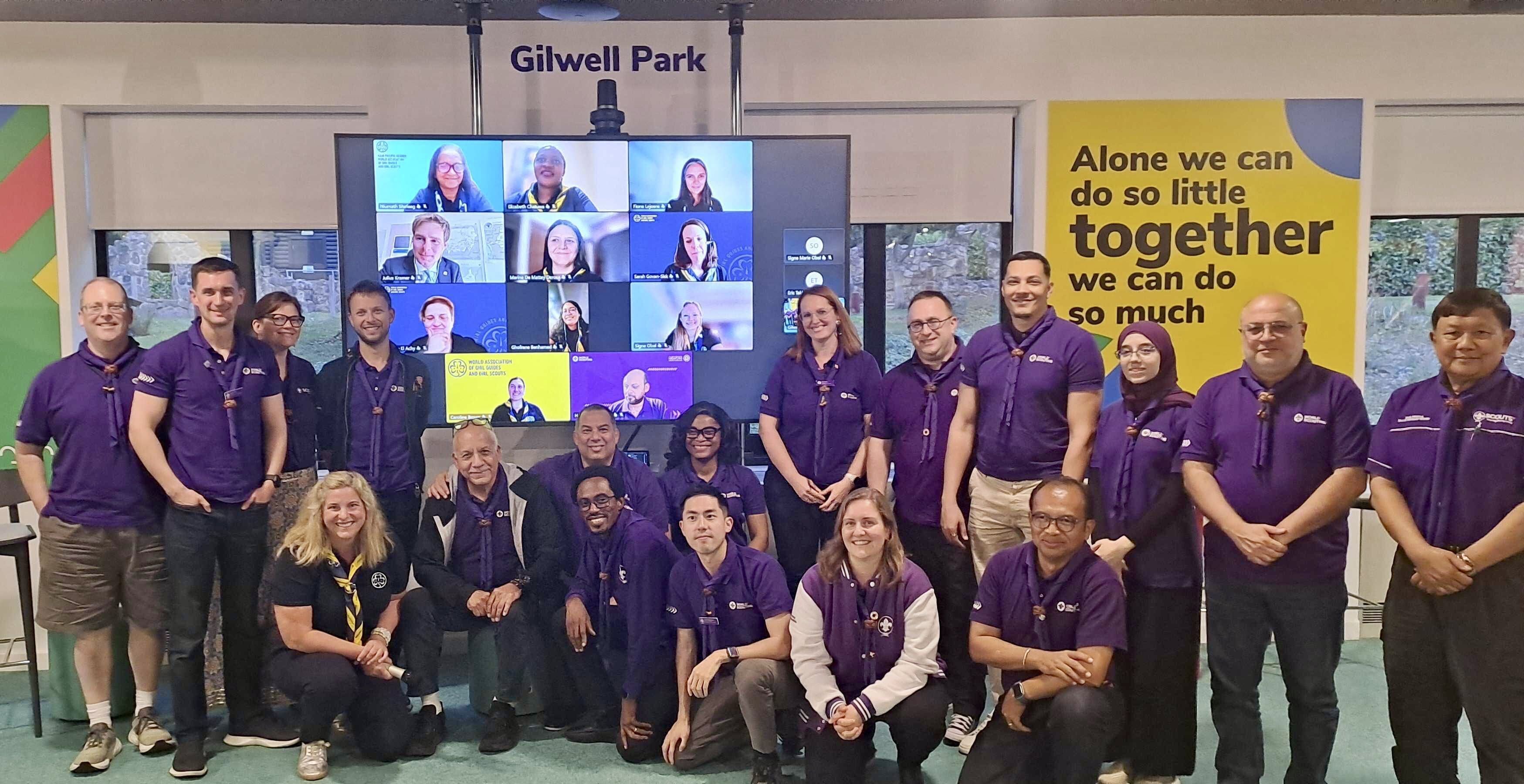
Looking ahead to future collaboration
As the two Movements consider these shared priorities, the discussion also explored the principles that should underpin their collaboration.
The boards reflected that collaboration should recognise the distinct identities, missions and mandates of WAGGGS and World Scouting, including their different membership models and governance structures. Partnership should also work to strengthen dialogue and cooperation across both Movements on issues that affect Scouting and Guiding membership together.
The discussion also highlighted the importance of meaningful exchange, partnership and representation in countries where Guiding and Scouting membership overlaps, ensuring we work together instead of compete, with space at the appropriate level for open dialogue and for challenges to be identified and addressed constructively.
There was also recognition that collaboration should happen and be particularly encouraged at the grassroots level. By learning from each other and speaking out together on topics that impact young people, World Scouting and WAGGGS can continue to open new pathways and increase access to more education opportunities for both Guides and Scouts.
Collaboration between the two global Movements will continue through regular meetings of the WAGGGS-WOSM Consultative Committee, enabling us to continue to move forward in a spirit of respect and partnership.