


One year into implementing the European Regional Scout Plan 2025–2028, the European Scout Region has made significant progress in turning its strategic priorities into concrete actions. Guided by the Operational Framework, volunteer teams have worked alongside National Scout Organizations to strengthen organisational resilience, support membership growth, empower young people, and reinforce Scouting's role in addressing challenges across Europe.
From launching new funding opportunities and developing practical tools to strengthening partnerships and advancing youth participation, the first year has laid important foundations for the years ahead. Here are some of the key achievements across the Region's teams.
Organisation: Supporting growth and building resilience
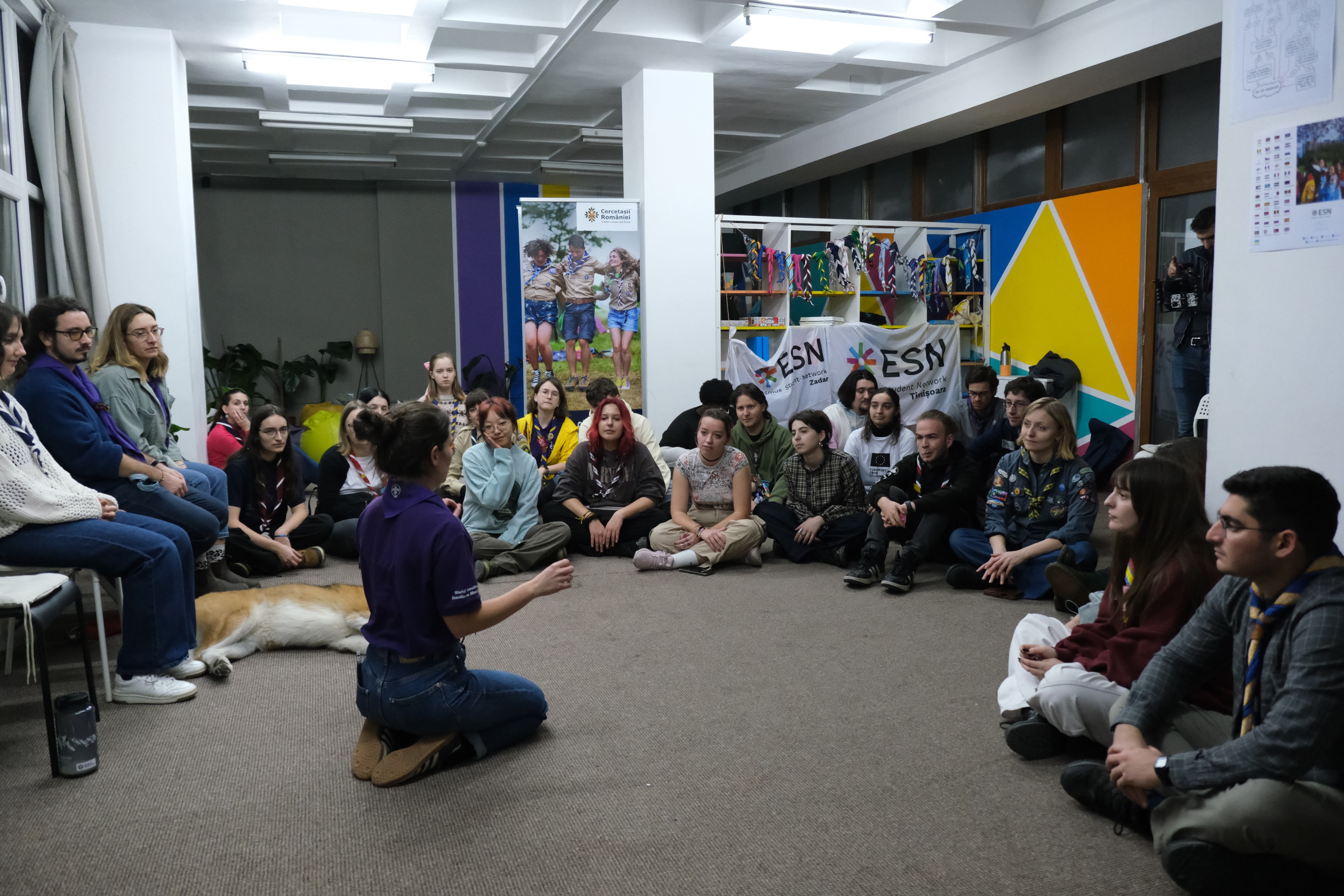
Through the Membership and Resilience Accelerator, the Regional Decisions Committee evaluated 30 applications and selected seven projects to support membership growth at local and national levels. This initiative directly supports implementation of Conference Resolution EUR-R04-2025 on membership development. To complement this funding, the Membership team has been developing a Growth Representatives Network and collecting successful practices from across the Region to encourage knowledge-sharing and collaboration between National Scout Organizations. The Regional Decisions Committee has also evaluated grants received for the Messengers of Peace fund, implemented and to be implemented in 2026 and 2027.
Significant progress has also been made in supporting organisational sustainability. The Organisational Resilience Framework and an accompanying income-diversification toolkit have been developed to help Member Organisations assess vulnerabilities, identify opportunities for improvement, and strengthen their long-term financial resilience.
Sustainability and accessibility have been further areas of focus. The Sustainable Events Checklist has been completed, with additional guidance for participants and contingents being finalised to support more environmentally responsible events. Meanwhile, an analysis of regional event participation and financial support between 2022 and 2025 revealed that only around half of organisations eligible for support participate in any given edition of an event. These findings are informing the development of more transparent financial-support criteria and further research into barriers to participation, helping make regional opportunities more accessible.
Movement: Empowering young people and strengthening Educational Methods
The first year has seen important steps towards strengthening youth leadership and participation within Scouting. A Youth Leadership benchmark study has already gathered more than 360 responses from young Scouts across 26 countries, providing a growing evidence base on young people's experiences of leadership in the Movement. A complementary survey for National Scout Organizations is also exploring how young people are involved in decision-making processes.
Volunteer engagement has remained another priority. A dedicated online campfire on volunteer retention and recognition will be held on 24 November, bringing together Scouts working at national, regional, and district levels to exchange experiences and approaches to volunteer recruitment, management, and recognition.
The team has also advanced preparations for future educational cooperation. Engagement with the World Scout Education Congress will contribute insights to the development of the European Educational Methods Forum in 2027, ensuring that discussions on educational innovation translate into regional action.
Looking ahead, preparations for the Scouting for Peace Summit are progressing, with a dedicated project team appointed to develop this initiative and strengthen Scouting's contribution to peacebuilding.
Strengthening cooperation with WAGGGS
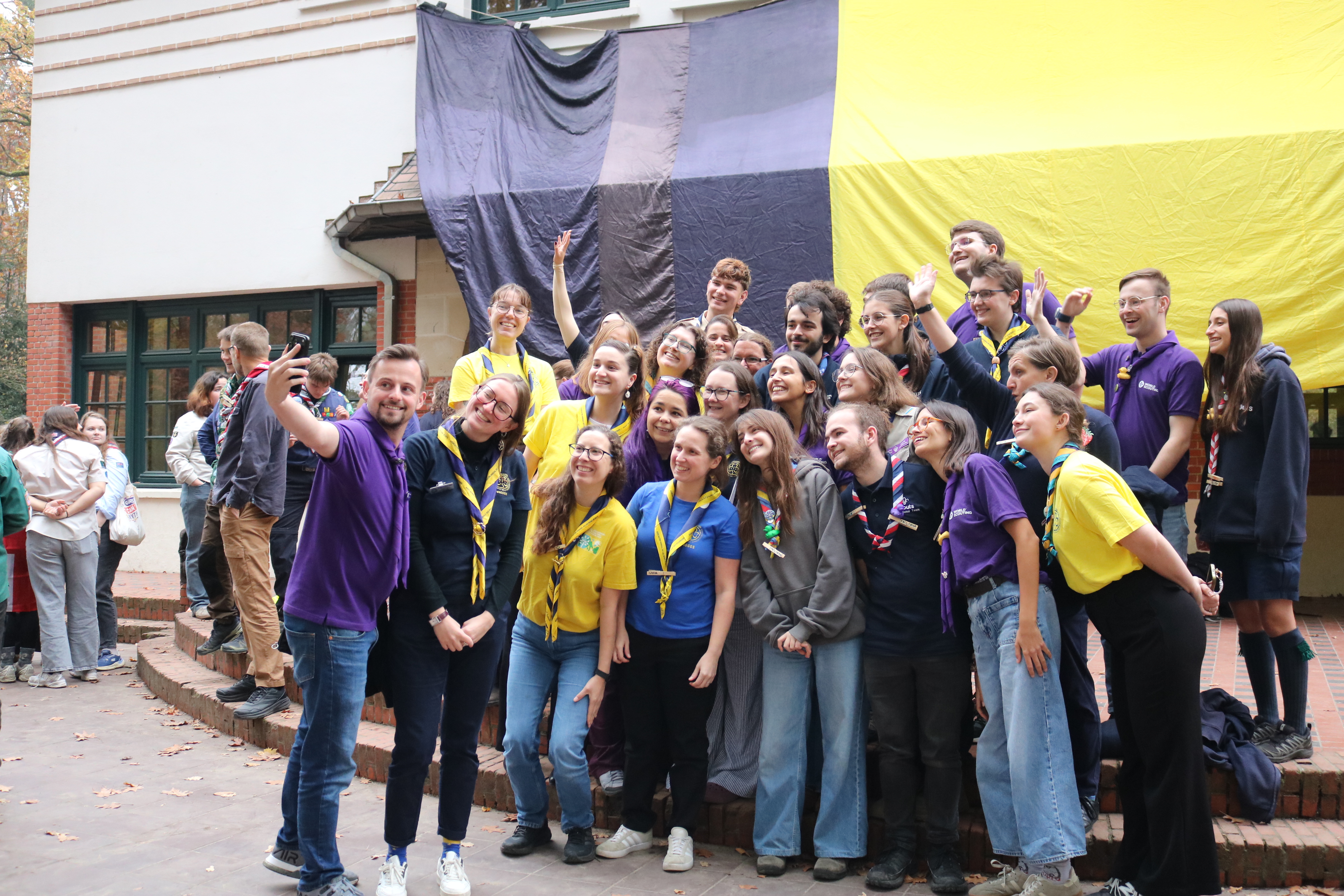
Collaboration between the European Regions of WOSM and WAGGGS has continued through the implementation of the Joint Action Plan 2025–2028. One of the first year's achievements was successfully delivering a joint online event on youth-led climate action, featuring a keynote presentation, four thematic sessions, and networking opportunities. The event created a space for young people and Scout and Guide representatives to exchange experiences and explore approaches to climate action.
Amplifying Scouting's voice in Europe
Throughout the first year, the Youth Representatives have strengthened the European Scout Region's engagement with European institutions, international organisations, and civil society partners, ensuring that young people's perspectives are represented in policy discussions. The team has advocated for meaningful youth participation, recognition of non-formal education, safeguarding, and sustainable funding for youth organisations. Its engagement has also highlighted Scouting's contribution to peacebuilding, community resilience, and the development of European youth policy.
Partnerships with youth and children's rights organisations have been strengthened, creating further opportunities for cooperation and advocacy. At the global level, participation in the United Nations High-Level Political Forum helped raise the visibility of World Scouting's contribution to the Sustainable Development Goals and demonstrated the role of young people in building more sustainable and resilient communities.
Strengthening safeguarding across the Region
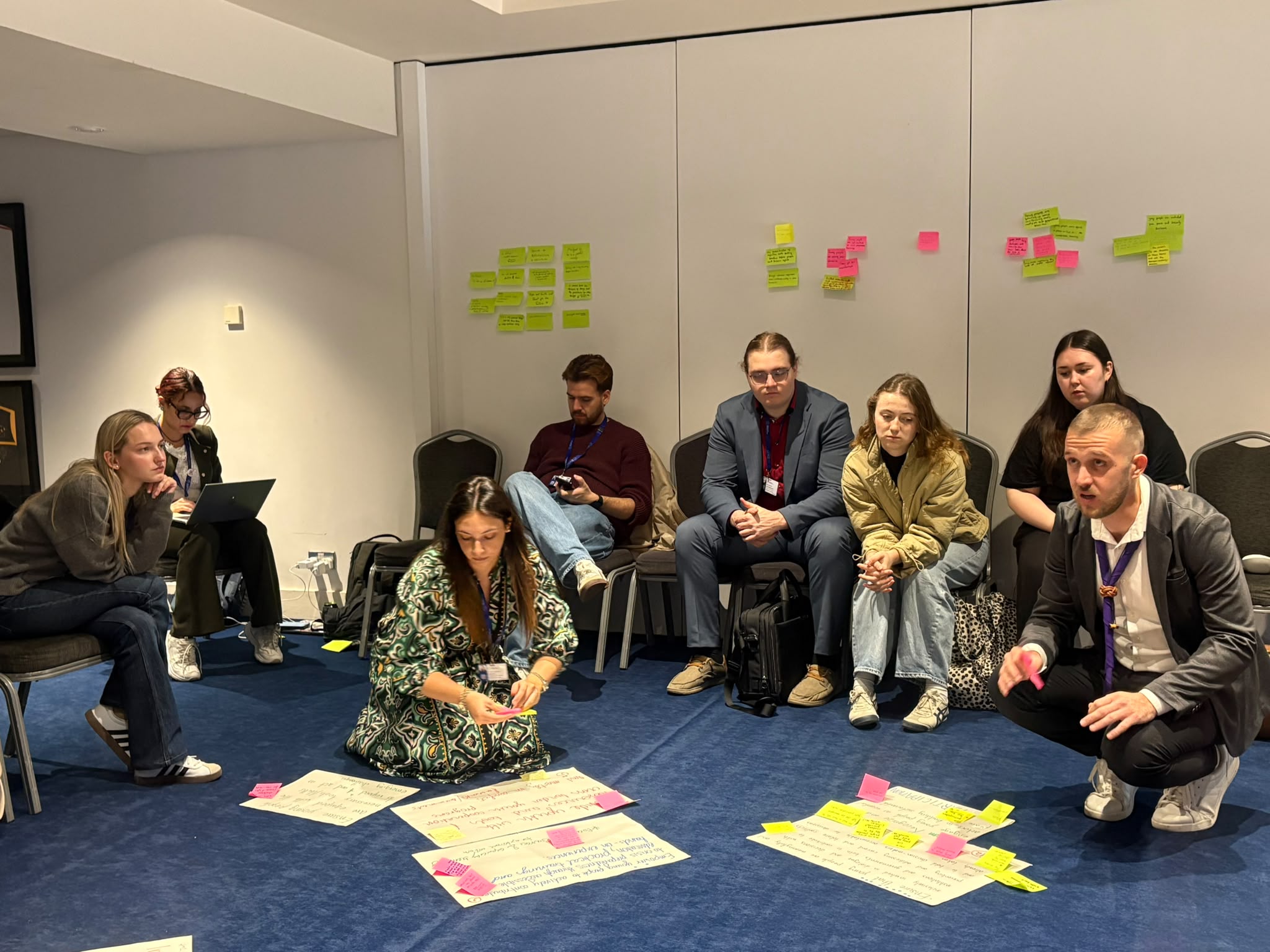
Creating safe environments for all members remains a fundamental commitment of the European Scout Region. During the first year, the Safe from Harm Panel has continued reviewing National Scout Organizations' self-assessments and providing guidance to strengthen safeguarding policies, procedures, and practices.
The introduction of the new Safe from Harm self-assessment platform has been another important development. The team is supporting National Scout Organizations in engaging with the updated process and encouraging higher completion rates, contributing to more consistent safeguarding standards across the Region.