

In a landmark moment for Mauritian Scouting, Pascal Speville was elected as the youngest Chief Commissioner the Association has ever had. We sat down with him to reflect on the journey, the responsibility, and what this milestone means for a movement committed to building a world shaped by youth.
Hello Pascal,
Let’s start at the beginning. Do you remember the exact moment you learned you were elected Chief Commissioner?
I remember it very clearly. I was at home, welcoming my child back from school, helping him with his bag and settling into our usual routine, when I received the email from the Administrative Secretary confirming my appointment. It was such a simple, ordinary moment that suddenly became extraordinary.
My first reaction was deep gratitude. Almost immediately after, a strong sense of responsibility took over. I told myself, “Now the real work begins. It is time to place the Mauritius Scouts Association where it truly belongs.” In that moment, the title felt secondary, the mission felt central.

That sense of mission clearly runs deep. How did your Scouting journey first begin?
It started when I was six years old. My mother noticed a group of young people in uniform running around the church compound. Curious, she approached one of the leaders, and the following week, I joined.
Looking back, it became one of the most defining influences of my life. What kept me involved wasn’t the badges or the camps, though they were meaningful. It was the sense of belonging. Scouting gave me mentors, structure, international exposure, and above all, strong values. As I grew older, I realised it was shaping not only my skills, but my character. Staying involved became a matter of purpose, giving back to the next generation what had been given to me.
At what point did you see yourself as a leader within the Movement? Was there a defining moment?
Yes, there was a defining moment when I consciously began to see myself as a leader within the Movement. It came when I stepped into strategic roles beyond traditional operational Scouting , serving as a WOSM Growth Consultant, Course Director for a Good Governance Workshop, Pre-Sift Consultant, and Senior Youth Panellist for the Global Youth Mobilisation (GYM).
As a Growth Consultant, I worked closely with leadership teams to strengthen structures, improve strategic alignment, and identify sustainable pathways for growth. Engaging with diverse leadership cultures and complex global challenges expanded my perspective. I came to understand that leadership is not about authority; it is about listening, adapting, making fair decisions, and empowering others to succeed.
That shift from simply delivering programmes to influencing systems and supporting long-term impact was the moment I truly recognised myself as a leader within the Movement.
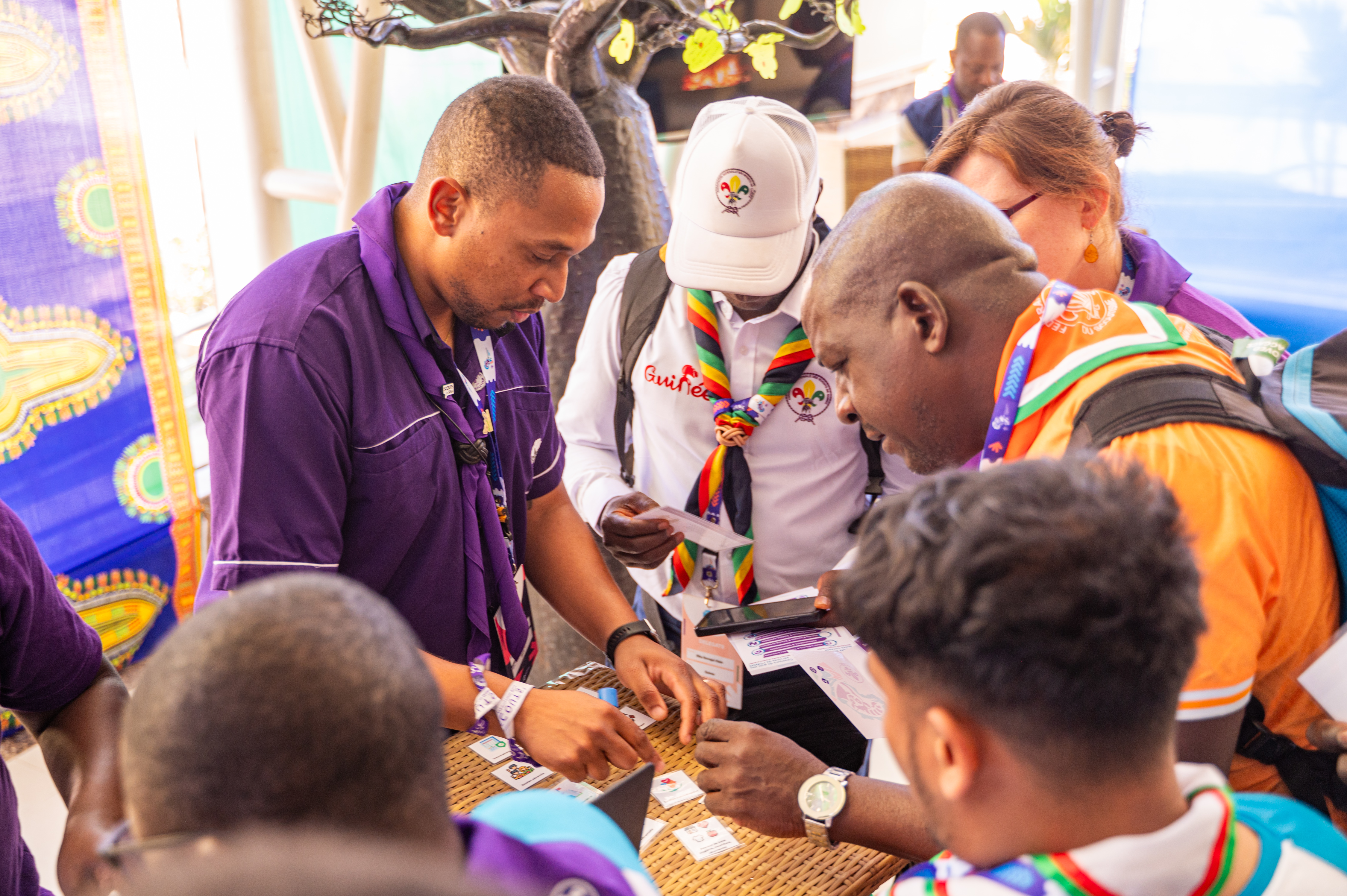
Now you are the youngest Chief Commissioner in your Association’s history at 31 years of age. What does that mean to you?
It is both an honour and a responsibility. Being the youngest is not about breaking records; it is about opening doors. Age has never felt like a limitation. But it does carry responsibility. I must demonstrate that competence, vision, and integrity are not measured in years; they are measured in commitment and action.
What do you believe young leadership brings to Scouting today?
Young leadership brings energy, innovation, and relatability. It brings the courage to question systems constructively while still respecting core principles. Most importantly, it bridges generations and ensures governance remains connected to the lived realities of young people.
If we speak about a world shaped by youth, then youth must not only be consulted, they must be trusted to lead. This milestone is not just personal; it reflects the strategic direction of Scouting globally. Young people should sit at decision-making tables. They should shape policy. They should influence the future of the Movement.
What values guide your decisions as Chief Commissioner?
Integrity, accountability, inclusiveness, transparency, and service. Above all, ensuring that young people remain at the centre of every decision.
When you look ahead, what does success in this role mean to you?
Success is not personal recognition. It is stronger districts, empowered leaders, safe and well-governed groups, and young people who are proud to wear the uniform. If, at the end of my mandate, the Association is more united, structured, and future-ready, that will define success.
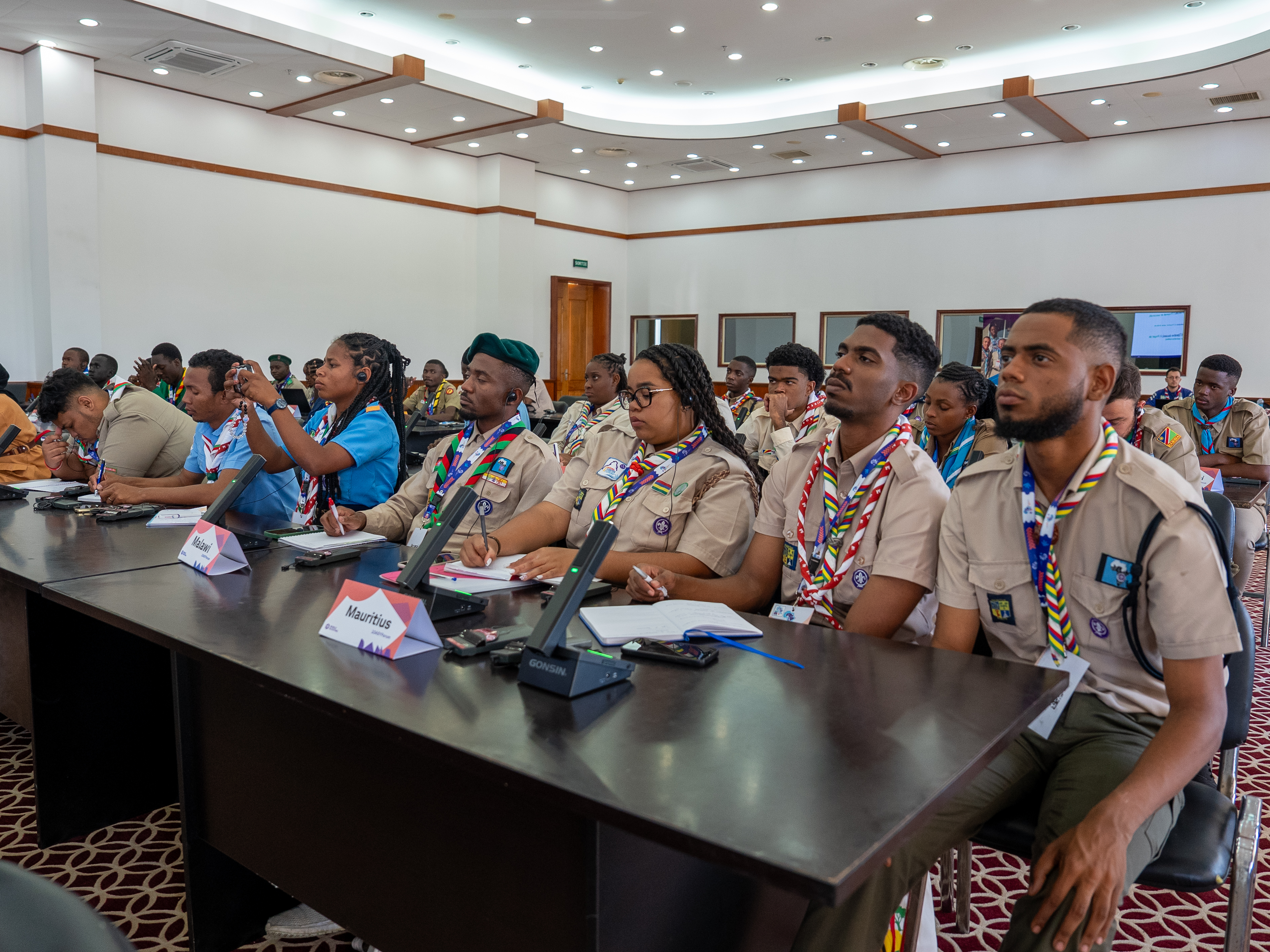
And your broader vision for the next few years?
To rebuild with clarity and structure. To strengthen governance. To invest in adult training. To expand membership responsibly. And to reposition Mauritian Scouting as a dynamic, credible, and impactful movement, nationally and internationally.
Scouting must also evolve to remain relevant. We need to integrate digital literacy, climate action, community engagement, and practical leadership development. Young people today seek meaning and impact. Scouting must remain a space where they can lead real change.
What legacy would you like to leave behind?
A culture of collaboration. A stronger system than the one I inherited. And a generation of young leaders who believe leadership is accessible to them.
Finally, what message would you share with young people, especially those who don’t yet see themselves represented in leadership?
Leadership is not reserved for a specific age, background, or personality. If you care deeply, work consistently, and remain grounded in values, you belong. Step forward. Your voice matters.
If my story inspires even one young Scout to take that step, I hope they understand this: leadership is a journey, not a position. Consistency outweighs talent. And when you serve with sincerity, opportunities align with purpose.
For National Scout Organisations preparing for leadership transitions, this milestone carries a powerful message: trust your young people, not symbolically, but structurally. When youth are entrusted with real responsibility, leadership becomes more dynamic, more responsive, and more future-focused.
A world shaped by youth begins when institutions are courageous enough to let young leaders lead.