

Scouting plays a pivotal role in shaping the fabric of society by nurturing the personal growth and development of young people, empowering them with essential life skills. These skills form the foundation for resilient individuals and active global citizens who make a positive impact in their respective contexts. One of the most powerful ways Scouts achieve this is by working with their local communities.
Across generations, the impact of Scouting has been told through stories of humanitarian action, community development, and personal transformation. While these stories demonstrate the powerful influence of Scouting, the real strength of the Movement lies in how consistently and meaningfully Scouts engage with their communities to create a lasting impact. Here are five reasons why this community connection is at the heart of Scouting.
1. Building a spirit of service
At its core, Scouting is about serving others. By volunteering in local projects, whether it’s cleaning up parks, supporting food drives, or lending a hand during times of crisis, Scouts learn the importance of giving back to their community. These experiences instil empathy and a lifelong commitment to service, values that go far beyond the Scout uniform.
2. Learning practical skills
Community work provides Scouts with the opportunity to apply their skills in a practical setting. From organising events to leading workshops or coordinating with local leaders, Scouts develop communication, leadership, and problem-solving skills in real-world settings. These hands-on experiences complement what they learn within their troop, preparing them for challenges in life and work.
3. Strengthening local connections
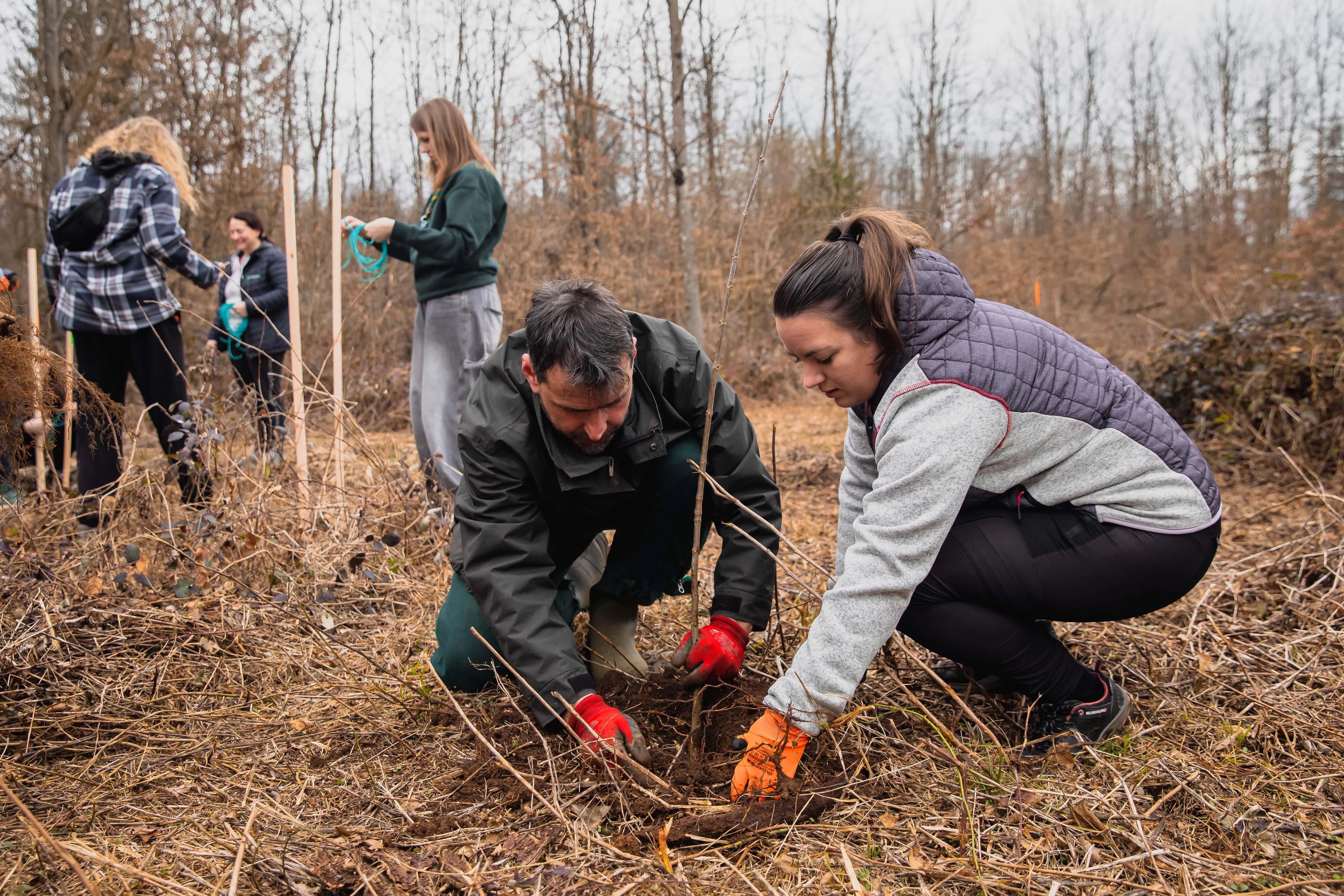
Scouts are deeply rooted in the places where they live. By engaging with schools, associations, and local authorities, they form strong partnerships that strengthen community ties. These relationships not only help Scouts make a greater impact but also enable communities to view young people as valuable contributors and partners in shaping a better society.
4. Promoting Diversity and Inclusion
When Scouts work with their communities, they meet people from different backgrounds, cultures, and experiences. This exposure fosters understanding and respect, helping Scouts grow into open-minded and inclusive citizens. By championing unity in diversity, Scouting helps build peaceful and cohesive communities.
5. Creating lasting change
Community projects aren’t just one-off activities; they often spark long-term improvements. From launching environmental initiatives to mentoring children or supporting local development, Scouts’ efforts leave a legacy that benefits generations. By working with their communities, Scouts learn that even small actions can contribute to lasting change.
Working with local communities is a powerful way for young people to learn, grow, and make a difference. Each project, big or small, strengthens the bonds between Scouts and the people around them.