


For years, World Scouting has worked hard to build strong policies, frameworks, and resources for adult volunteers. But one question remains: what happens when these ideas move from paper into reality?
Earlier this year, the Éclaireuses et Éclaireurs du Sénégal (EEDS), a National Scout Association in Senegal, requested support from World Scouting to strengthen the capacity of its adult leaders. Together, they created a unique learning experience through an international training-of-trainers course that aimed not just to train trainers, but also to equip adults with the knowledge, skills, and confidence to support organisational growth in the future.
This course was one of the first big examples of this new concept being introduced into the Wood Badge framework. Traditionally, the Wood Badge helps prepare trainers, but now, in Africa and across the Movement, it also focuses on building a wider set of skills that support organisational development.
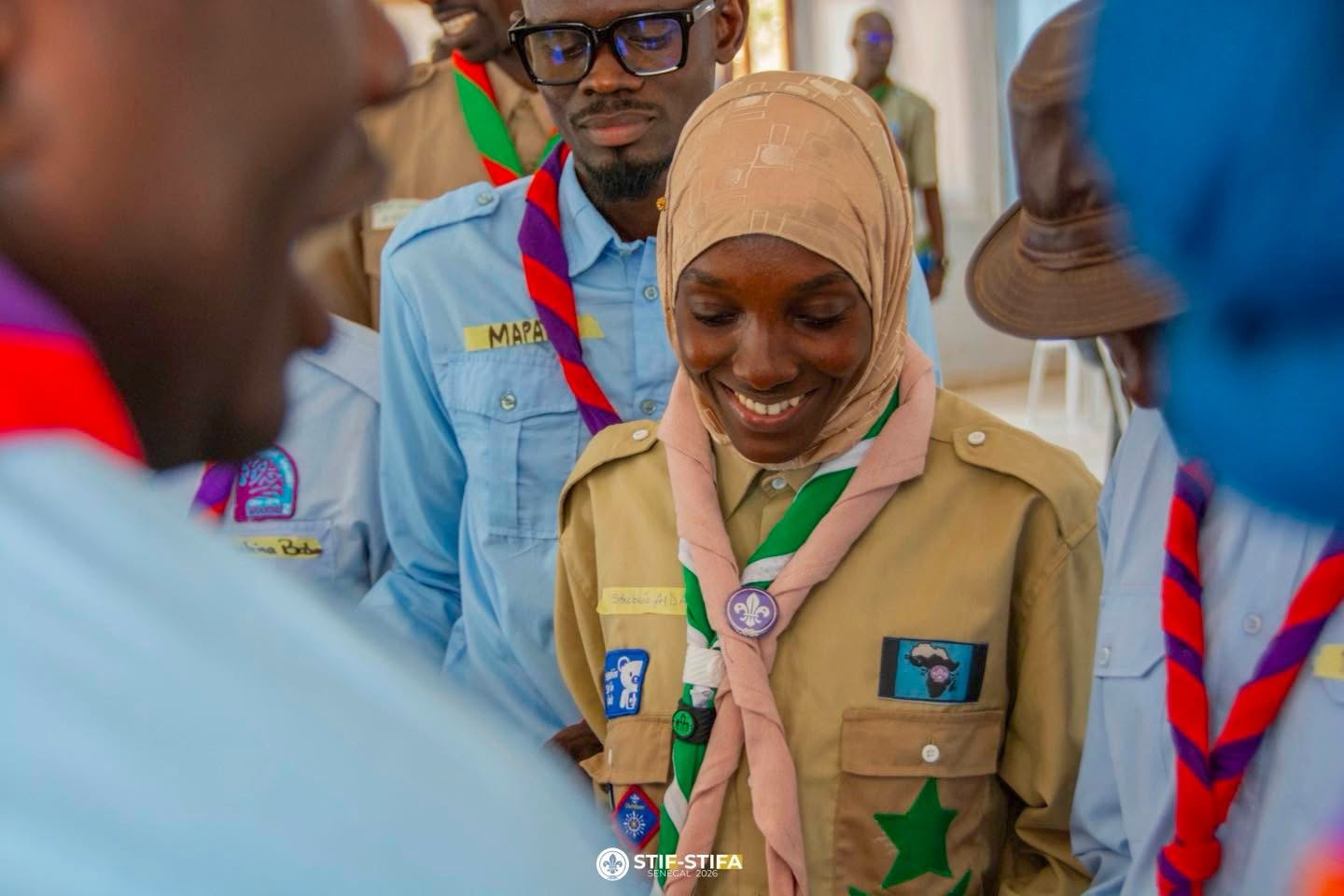
Practical learning journey
Forty-three participants completed the course, including 37 assistant leader trainers and six leader trainers. With new skills in areas such as governance, adult development, youth programme, and organisational sustainability, these leaders will now help their organisation grow by supporting adult volunteering across Senegal.
The learning experience offered a hybrid practical application through a flipped-classroom approach. Participants first explored content online independently, then used face-to-face sessions for discussions, reflections, contextualisation, and problem-solving.
The learning journey combined 18 online modules and 18 in-person sessions, allowing participants to build a strong shared foundation before coming together to discuss, reflect, and apply their learning. Along the way, they explored 13 core modules and selected a specialist area - youth programme, adult development, governance, or administration and finance - before putting their new competencies into practice through projects that addressed real organisational priorities.
Participants spoke positively about the blended learning approach, which they found flexible and practical, making the learning meaningful and useful.
What we learned
The Senegal experience provided important lessons that will shape how World Scouting supports National Scout Organizations (NSOs) through Adults in Scouting services and the Wood Badge.
First, the blended learning approach proved highly effective. Mixing online and in-person learning provided participants with a common understanding and made in-person time more valuable for discussion and practice.
The course also showed how important it is to have well-prepared facilitators who can guide participants and turn learning into action.
The programme highlighted the need to design learning that works across different contexts, including on mobile phones, and to adapt content to local realities, cultures, and ways of working, rather than simply using standard materials.
World Scouting is already using these lessons to improve the Wood Badge framework and Adults in Scouting services. By applying what we learned, the World Scout Bureau, through WOSM Services, can better support NSOs in building the competencies they need to strengthen their organisations and create lasting impact.
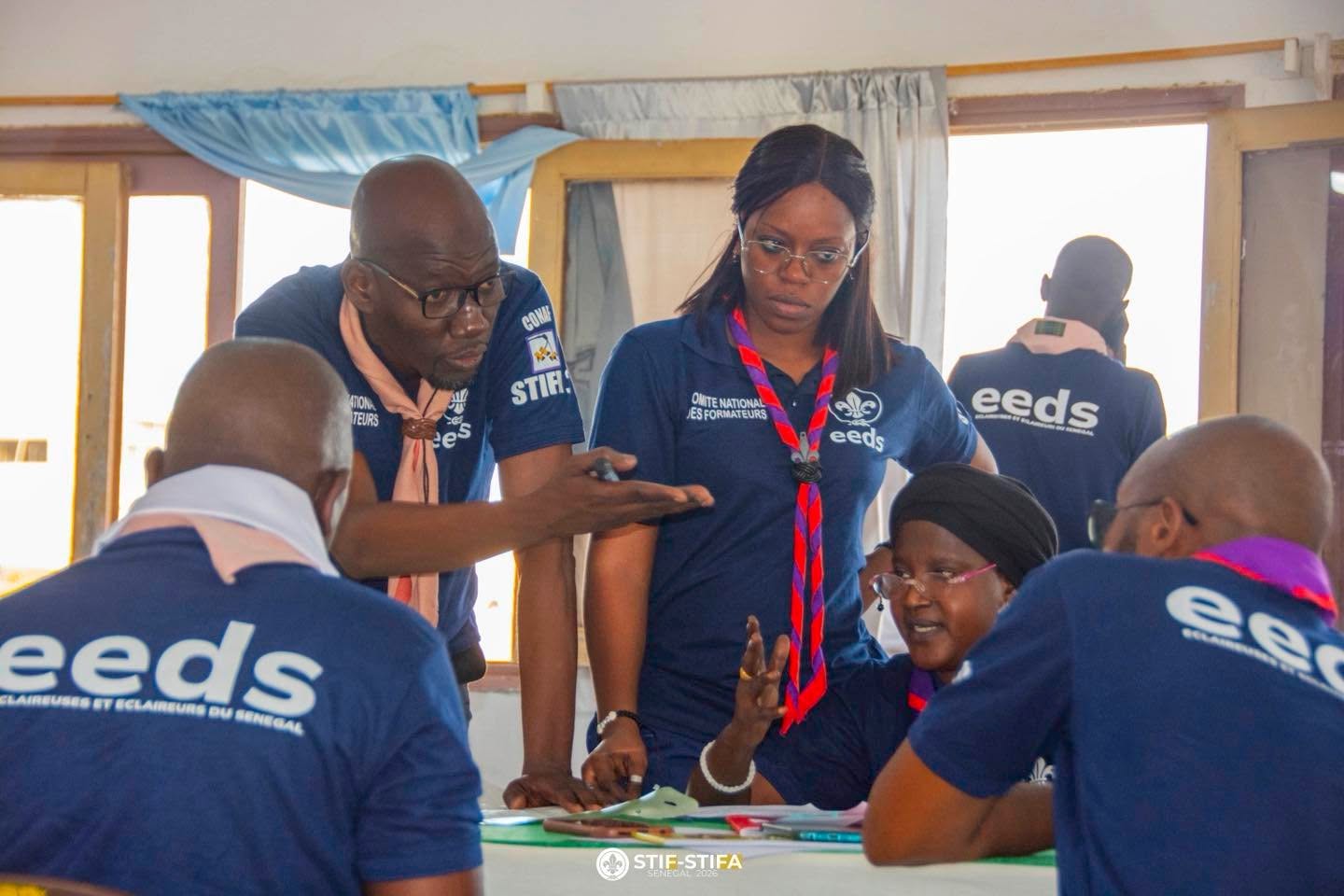
Building stronger Scouting
As World Scouting continues to strengthen Adults in Scouting across the Movement, experiences like this show what’s possible when learning, support, and organisational development come together. It’s no longer simply about how many adults complete a course, but how those adults can help build stronger, more resilient, and more impactful Scout organisations.
Made possible through funding from Messengers of Peace, supported by the Kingdom of Saudi Arabia via the World Scout Foundation, and in partnership with World Scouting.
