

Every day, young people scroll through headlines about climate disasters, flooding, pollution, hunger, and communities struggling to recover.
Not gonna lie, doomscrolling feels fun for a minute. But community action? That’s where things start getting real.
And while social media helps people stay informed, researchers are also starting to notice something else: constantly consuming negative news online can leave young people feeling overwhelmed, anxious, and powerless. Psychologists now refer to this cycle as doomscrolling or the endlessly taking in distressing content without taking meaningful action.
But studies on youth engagement suggest there is a way to break that cycle.
Community action.
Research from UNICEF shows that when young people participate in community-led initiatives, they are more likely to develop resilience, optimism, leadership skills, and a stronger sense of agency.
In other words, action helps young people feel that change is actually possible.
Further studies from the American Psychological Association also show that excessive exposure to distressing online content can increase emotional exhaustion among young people, making meaningful offline engagement and community participation even more important.
But through the Boy Scouts of the Philippines Impact Innovators Challenge (LifeLeaders Initiative), young people are transforming concern into action through projects focused on environmental sustainability, disaster preparedness, food security, and community development among others.
So here are five ways Filipino Scouts are helping build a greener future:
1. They are helping communities become more climate-resilient
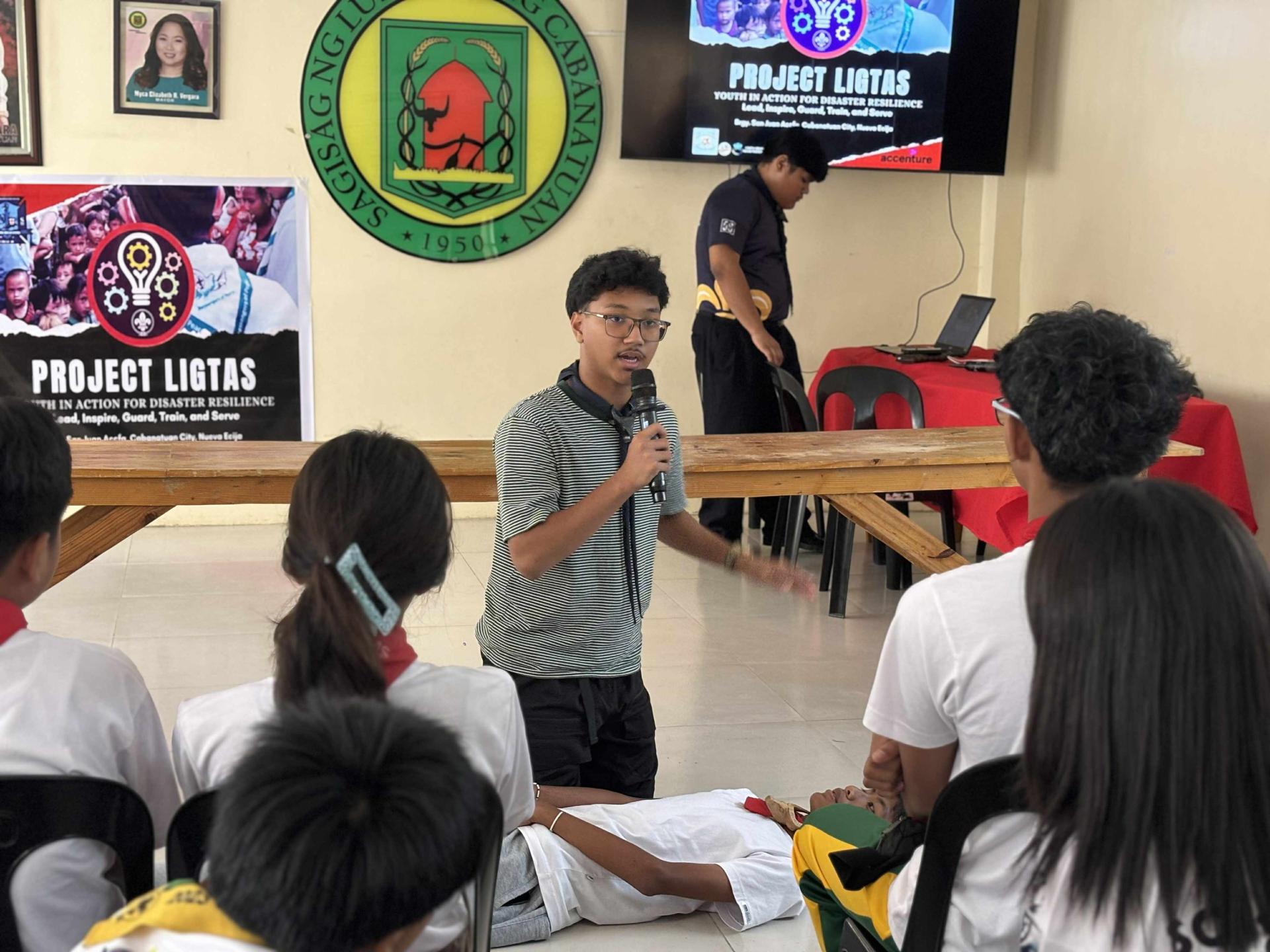
After witnessing how typhoons and floods repeatedly affected their communities, Scouts launched Project LIGTAS (Safe),a youth-led initiative focused on disaster preparedness and resilience.
Together with local disaster response offices and community partners, young volunteers conducted first aid and disaster response trainings for Scouts, youth leaders, and community officials. They also improved community spaces that can serve as coordination hubs during emergencies.
More importantly, the initiative empowered young people to see themselves not just as future leaders, but as active contributors to community safety today.
2. They are listening to communities before creating solutions
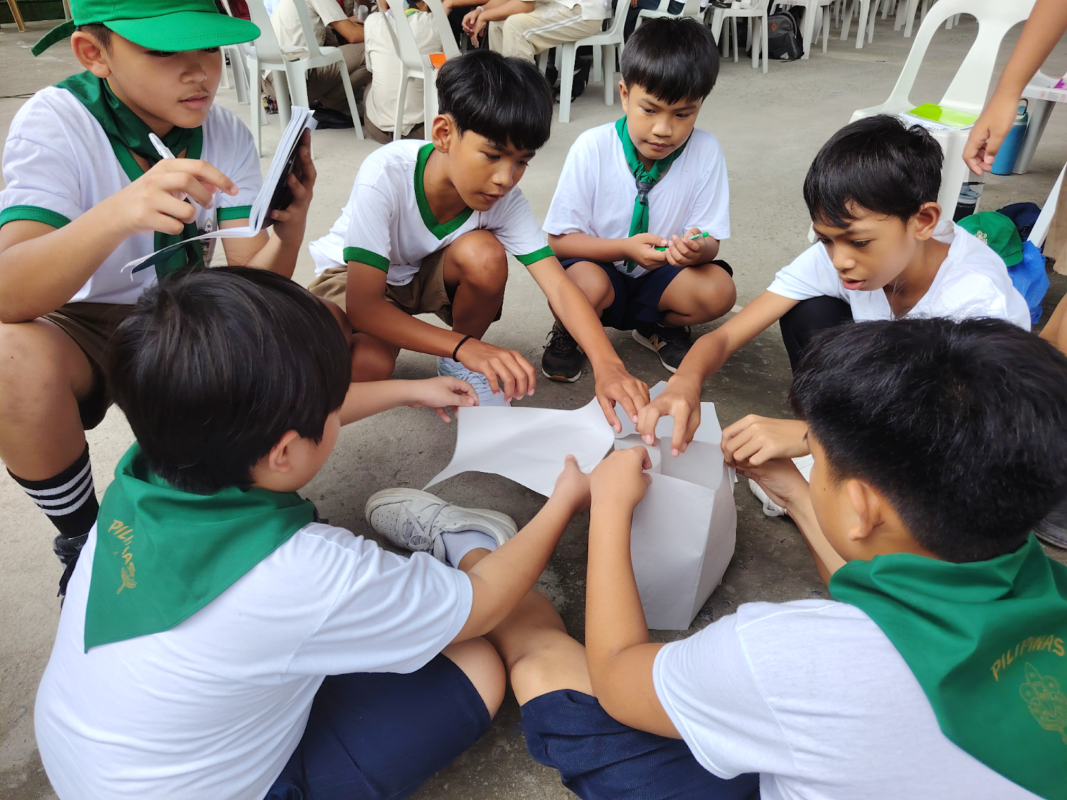
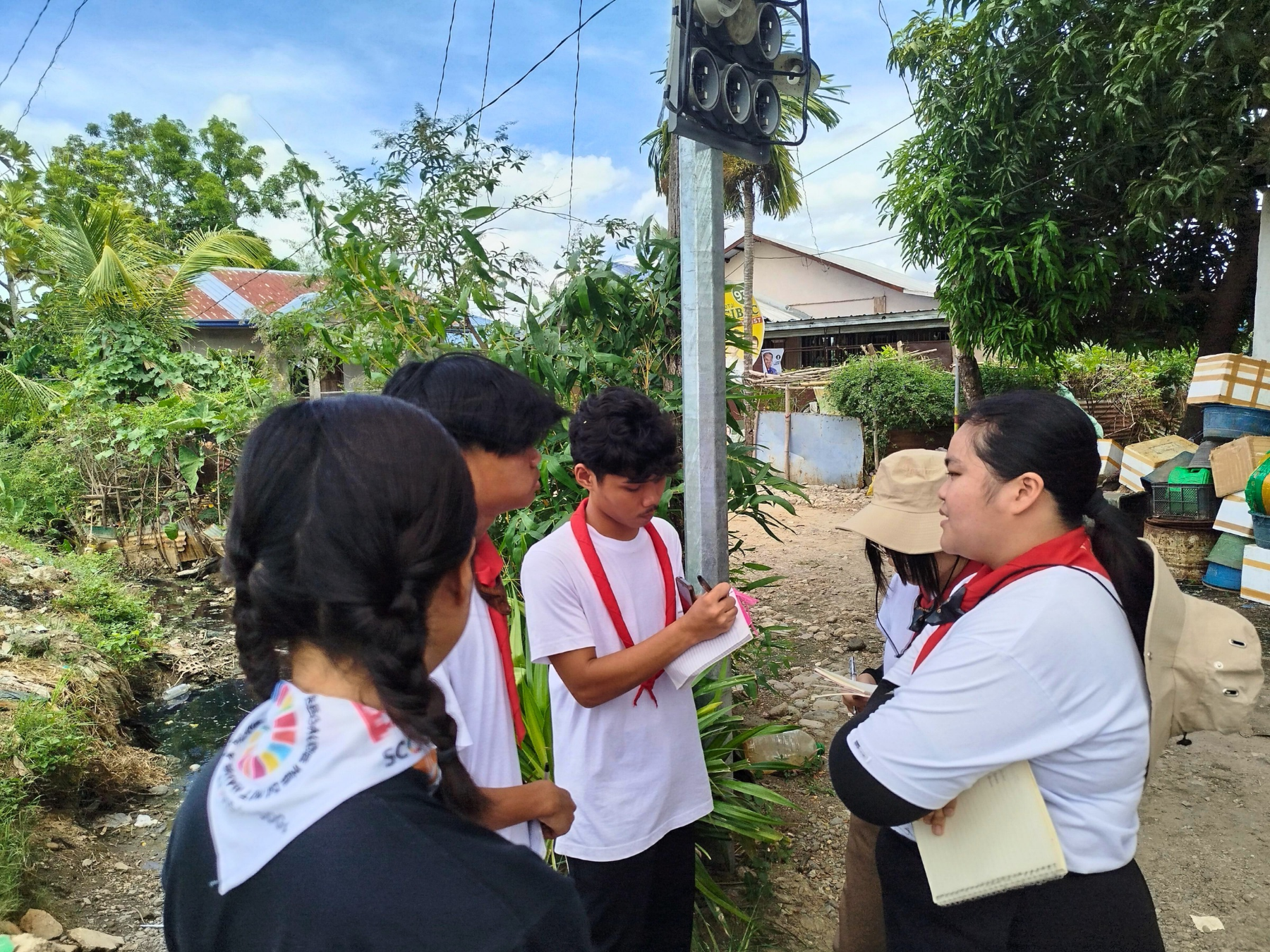
In Pampanga, Scouts participating in the Explore–Connect–Understand phase of the initiative conducted community walks and interviews to better understand local concerns.
Through conversations with residents, they identified issues involving waste management and literacy among children.
Instead of immediately jumping into solutions, the Scouts focused first on empathy and understanding.
“I realized how important it is to really understand the problems happening in my own community,” shared Scout participant Renz.
That mindset reflects an important shift in youth leadership today: meaningful solutions begin by listening.
3. They are turning sustainability into everyday action
Research from the Food and Agriculture Organization (FAO) highlights how community gardening and sustainable local food systems contribute to environmental protection, healthier
communities, and stronger food security.
For many young people, sustainability online can sometimes feel aesthetic rather than actionable.
But Scouts brought sustainability into real communities.
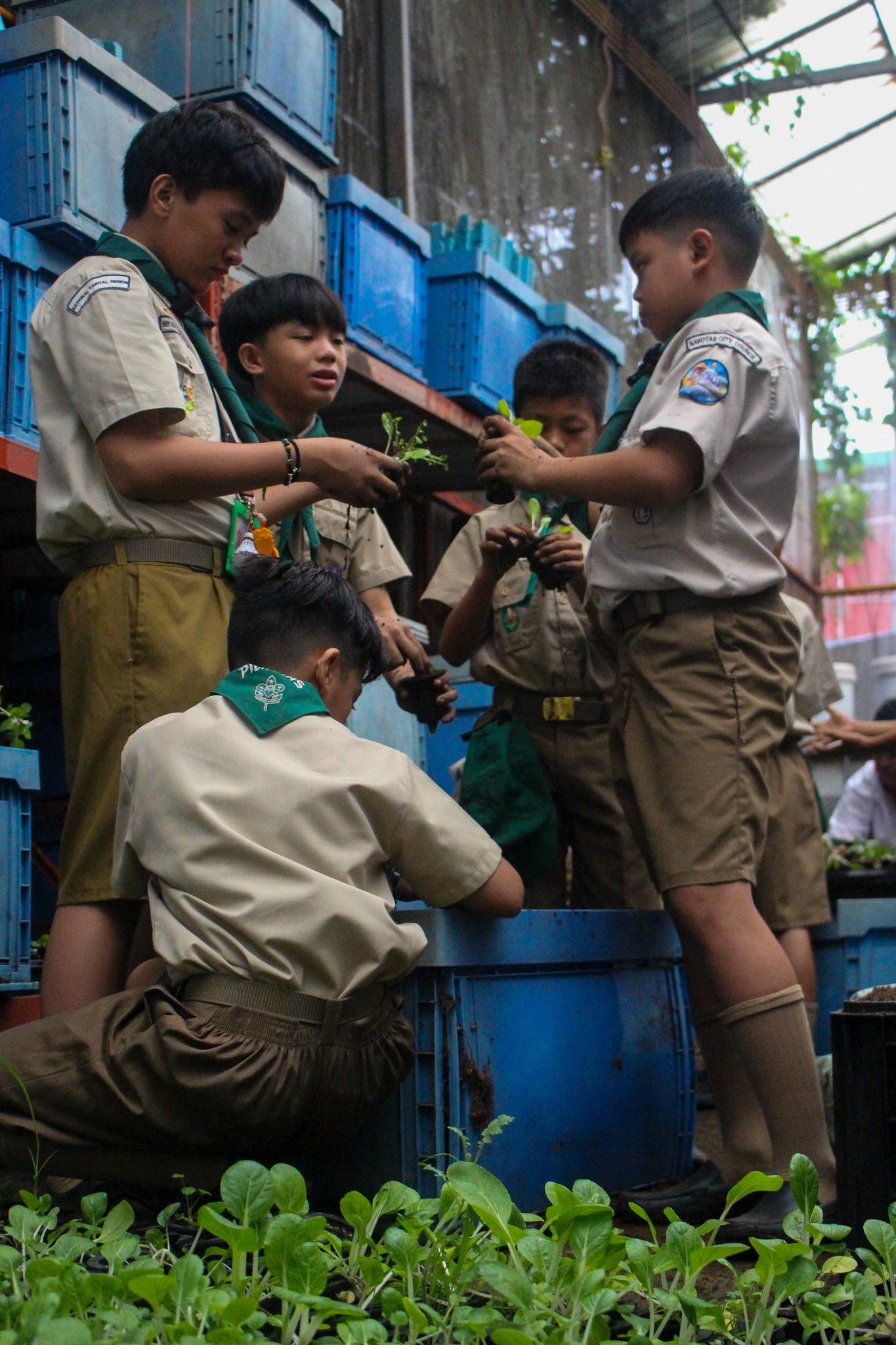
As a result of a hands-on Design Thinking activities, participants planted vegetable gardens, developed green spaces, and explored responsible food production practices alongside their local communities.
4. They are proving that compassion is part of environmental action too
Environmental sustainability is deeply connected to community well-being.
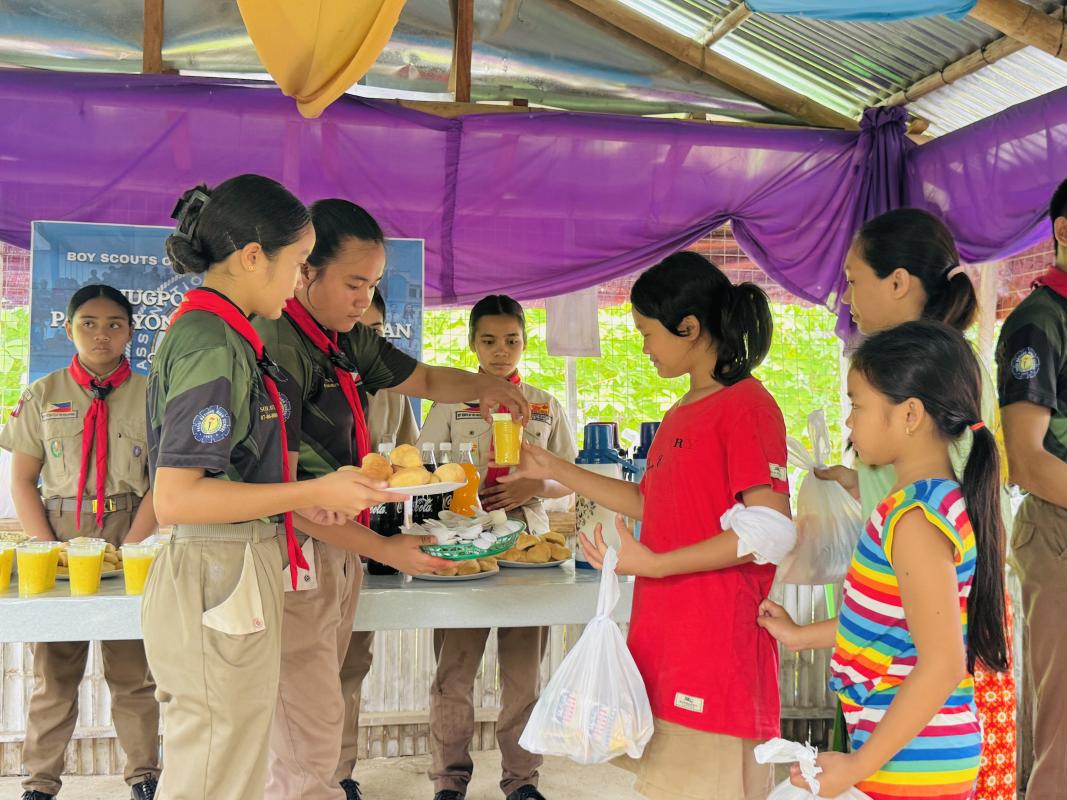
Through Bayanihan (communal unity) Bites, Scouts organized a feeding initiative that served meals and food packs to around 300 beneficiaries in their community.
With support from volunteers and donors, the activity became more than just food distribution. It became an example of how collective care and community support can strengthen resilience during difficult times.
5. They are learning how to create solutions that actually last
One of the strongest outcomes of the LifeLeaders Initiative is the shift in mindset among participants.
Instead of simply completing activities, Scouts are learning how to identify root causes, collaborate with communities, prototype ideas, and improve solutions over time through Design Thinking.
That approach is helping young people move beyond one-time projects and toward creating systems that encourage long-term environmental and social change.
“The Impact Innovators Challenge showed how young people, when given guidance and opportunities, can become effective change-makers,” shared John Marco S. Nogoy, a Circle Manager involved in the initiative.
For Rover Scout Jhemuel A. Fabria, the experience strengthened his empathy, leadership, teamwork, and creativity while teaching him how to create more people-centered solutions.
And perhaps that is what makes this movement truly powerful.
More than the projects themselves, but the growing confidence among young Filipinos that they already have the ability to shape the future around them.
At a time when so much of life happens online, these Scouts are showing the value of real-world action, community connection, and collective responsibility.
They are turning empathy into initiatives, ideas into solutions, and small actions into meaningful impact.
Across the Philippines, young people are proving that community-driven action can help build greener, safer, and more compassionate communities.