

Having a good idea is one thing but figuring out how to make the idea work is where the real challenge begins.
Young people are full of ideas.
They are told they can solve pressing problems and shape a better future. But between having an idea and creating real impact lies a much more practical question: Where do you start?
That is the question Scouts Australia’s Impact Innovator Challenge is helping young people answer.
The initiative gives Scouts a structured way to tackle the issues they care about most.
Using human-centred design, goal-setting, and mentorship, participants learn how to understand the root causes of a problem, work with the right people, and build solutions that respond to what communities actually need.
In other words, the program treats young people as problem-solvers and the response has been encouraging.
In 2025, almost 500 Scouts earned the Sustainable Development Goal (SDG) Challenge Badge. Each badge represents a young person who started a project linked to the United Nations SDG, suggesting that more Scouts are turning their concern for global issues into action within their own communities.
The projects themselves show that youth leadership can take many forms.
For one Scout group, the work began with a desire to better understand and care for places of cultural significance. Their project focuses on building relationships with local First Nations communities and learning directly from Elders.
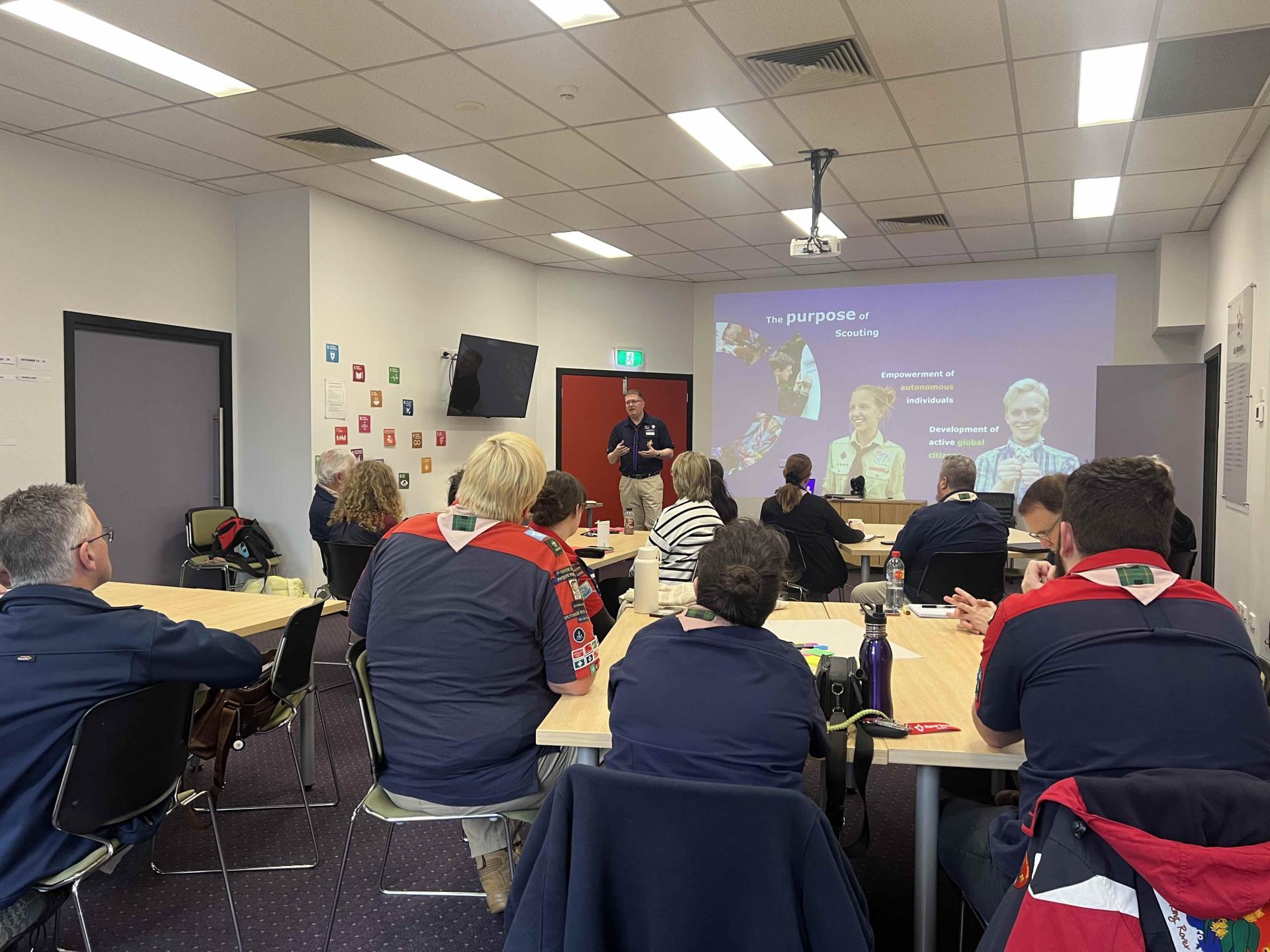
“Our youth enjoy the local places of significance and wanted to respect and care for these in conjunction with those who have greater spiritual and historical connections to these places,” shared Adele, a participant of the project.
The group learned that meaningful change often starts with listening, patience, and the willingness to build trust over time.
For another team, the challenge sparked a more technical solution.
Oliver and his fellow Scouts are building a robot to collect litter from waterways near their Scout hall.
“Litter travels from different community areas and collects near our Scout Hall,” Oliver explained. “The robot will bring the litter to shore for us, where we can dispose of it, rather than it sitting in the water for months,” he added.
The project combines engineering and environmental stewardship, showing how young people can use creativity and technology to solve everyday problems in their neighborhoods.
That is perhaps the most important lesson from the Impact Innovator Challenge.
When young people are given a clear process, supportive mentors, and the freedom to test their ideas, they begin to realise that community change is not something reserved for adults or experts.
Sometimes it starts with a conversation with elders, sometimes it starts with a robot, and sometimes it starts when a young person is trusted to ask, “What can we do about this?” and is given the tools to find the answer.