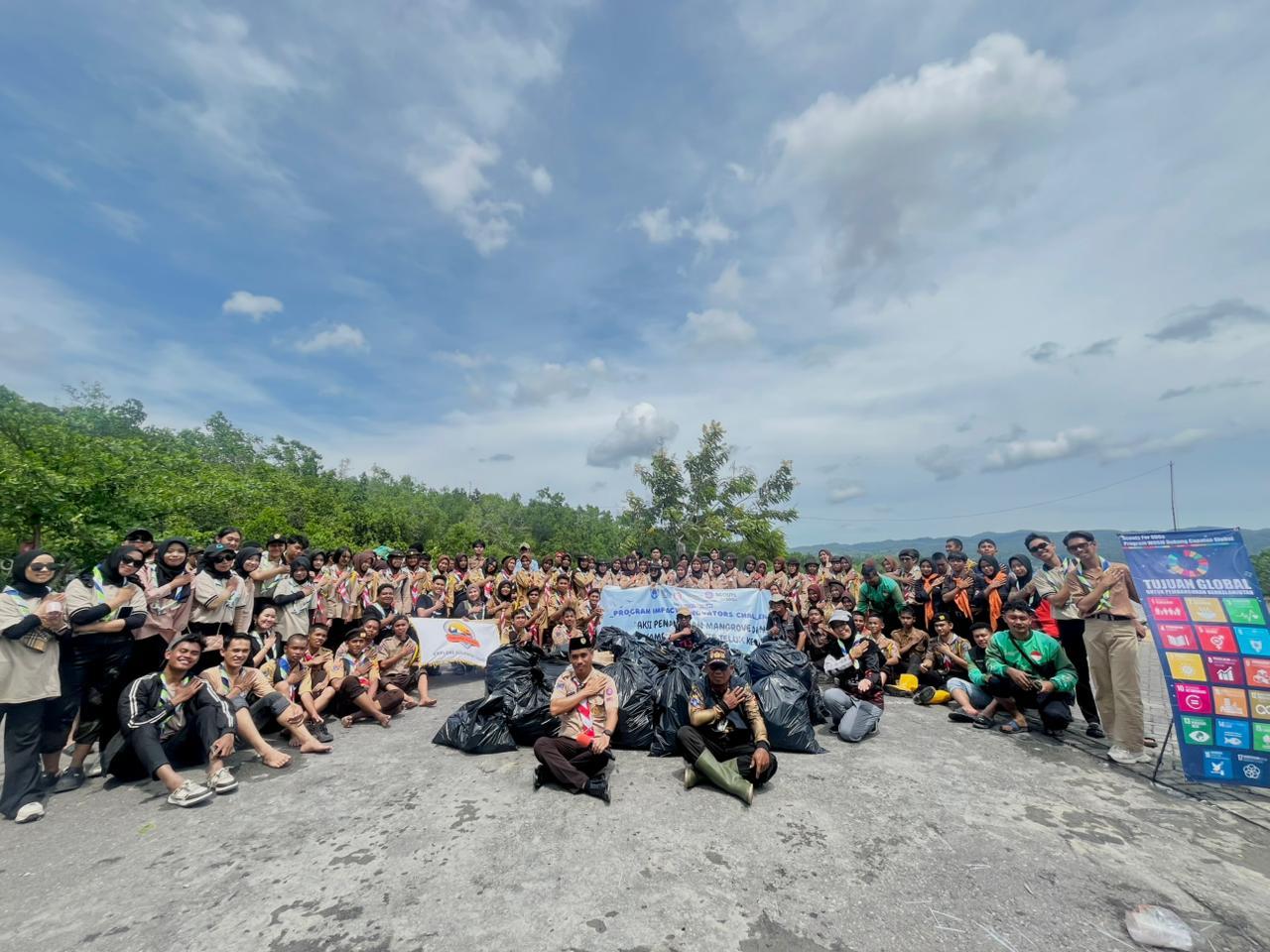
For a long time, society has offered a familiar formula: study well, gain experience, and prepare for the day to help solve pressing issues.
But across Indonesia, thousands of Scouts are challenging that assumption.
Because young people are given the tools to understand problems deeply, the support to develop solutions, and the trust to lead meaningful change.
At the center of this effort is LifeLeaders, a global initiative of the World Organization of the Scout Movement that helps young people build “skills for life.” Through one of its flagship programs, the Impact Innovators Challenge, Scouts are introduced to design thinking, a human-centered approach to problem-solving that begins with listening.
Young people learn to talk to communities, uncover root causes, test ideas, and refine them over time. It is a process often used in innovation labs and organizations, but here it is placed in the hands of young people eager to make a difference.
And it turns out this is exactly the kind of opportunity they need.
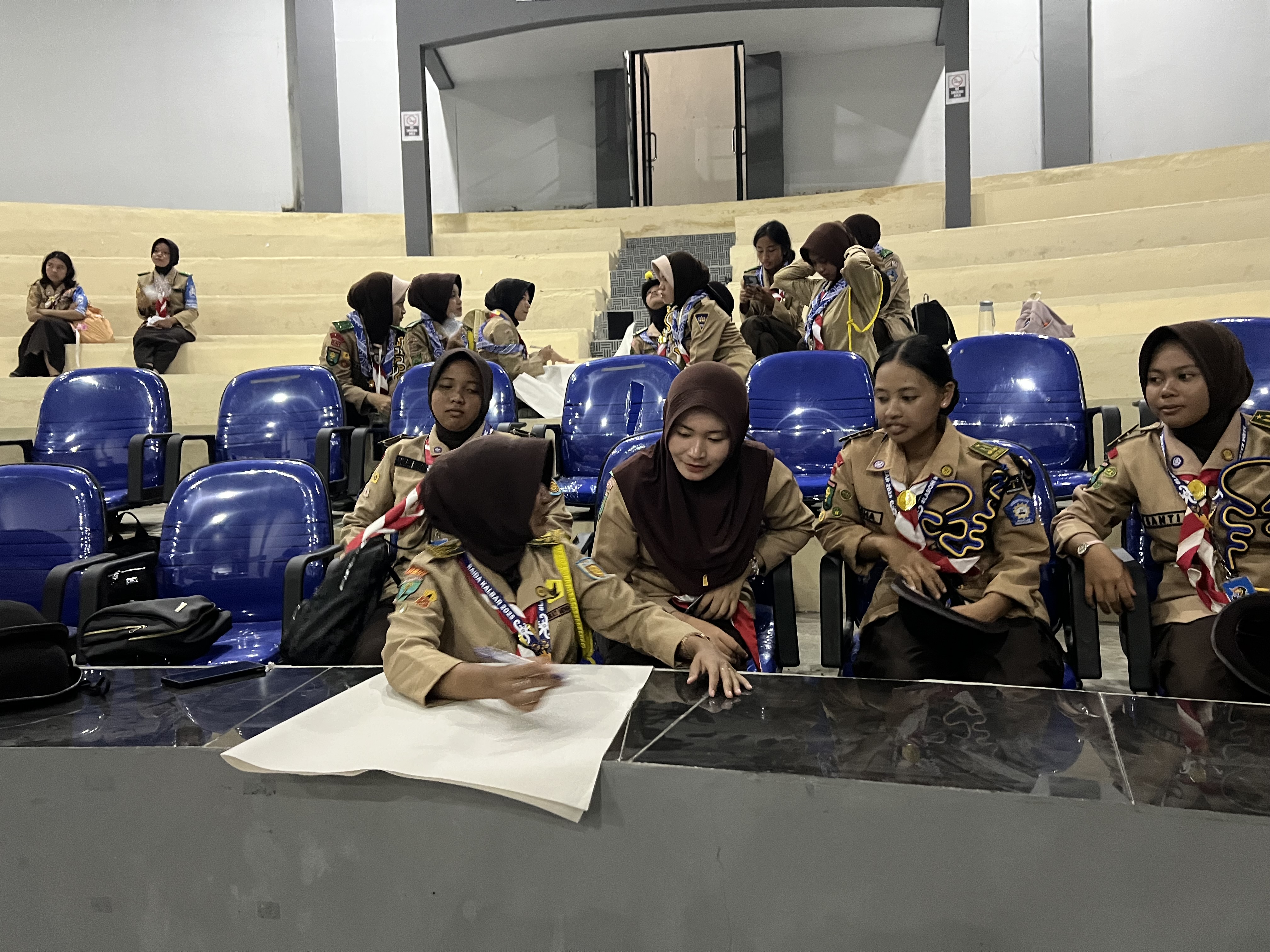
Research from UNICEF and UNESCO show that when young people are meaningfully involved in decision-making, communities benefit more from relevant and sustainable solutions. The World Economic Forum Future of Jobs Report 2025 also identifies analytical thinking, creativity, and problem-solving as among the most important skills for the future of work.
And in Indonesia, these ideas have found fertile ground through Gerakan Pramuka, the world’s largest Scout movement with more than 25 million members.
In 2025, Gerakan Pramuka launched the Impact Innovators Challenge in Riau, Central Java, West Kalimantan, Southeast Sulawesi, and Aceh. It began with a National Training of Trainers, where 28 Scout leaders learned how to guide young people through design thinking, project management, storytelling, and aligning their initiatives with the Sustainable Development Goals.
The goals were ambitious: reach 12,500 Scouts and leaders, help 2,000 Scouts earn the Impact Innovator badge, strengthen design thinking skills among 6,500 participants, and support 275 community-based innovation projects.
And then something remarkable happened.
Young people began looking at their communities with fresh eyes. They walked through their neighborhoods asking thoughtful questions. Why is this area prone to waste? What resources already exist? What do people actually need? They began, above all, with curiosity.
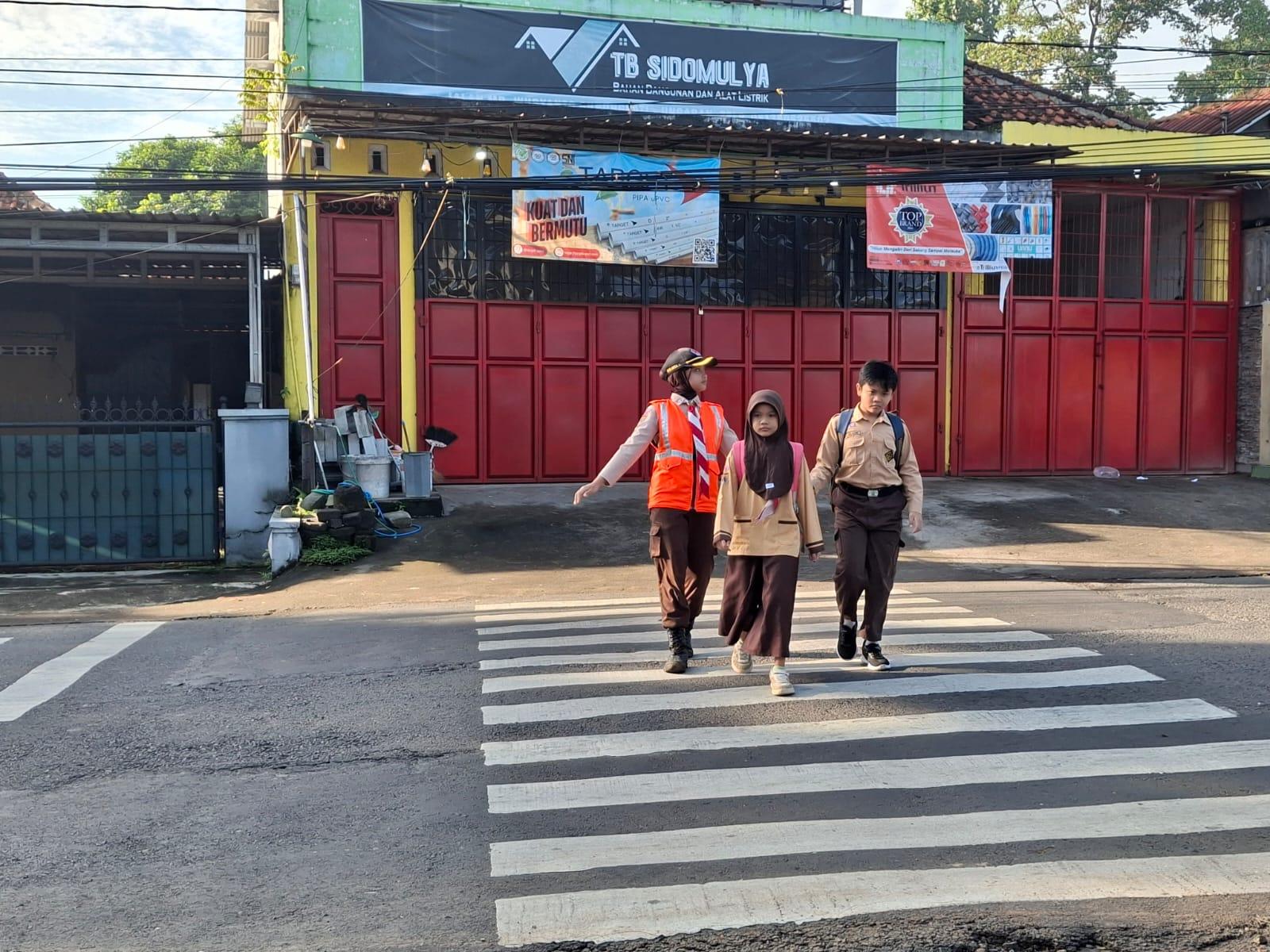
For Ghaida Rifa’ from Riau, whose team developed circular hydroponics systems and community chili gardens, connecting sustainability with local food security, shared that their experience transformed something as simple as planting into a deeper lesson about leadership.
“We’ve learned that planting isn’t only about trees, but also about nurturing life in every form,” she said. “Together, we don’t just grow plants, we grow purpose, confidence, and hope for a better future.”
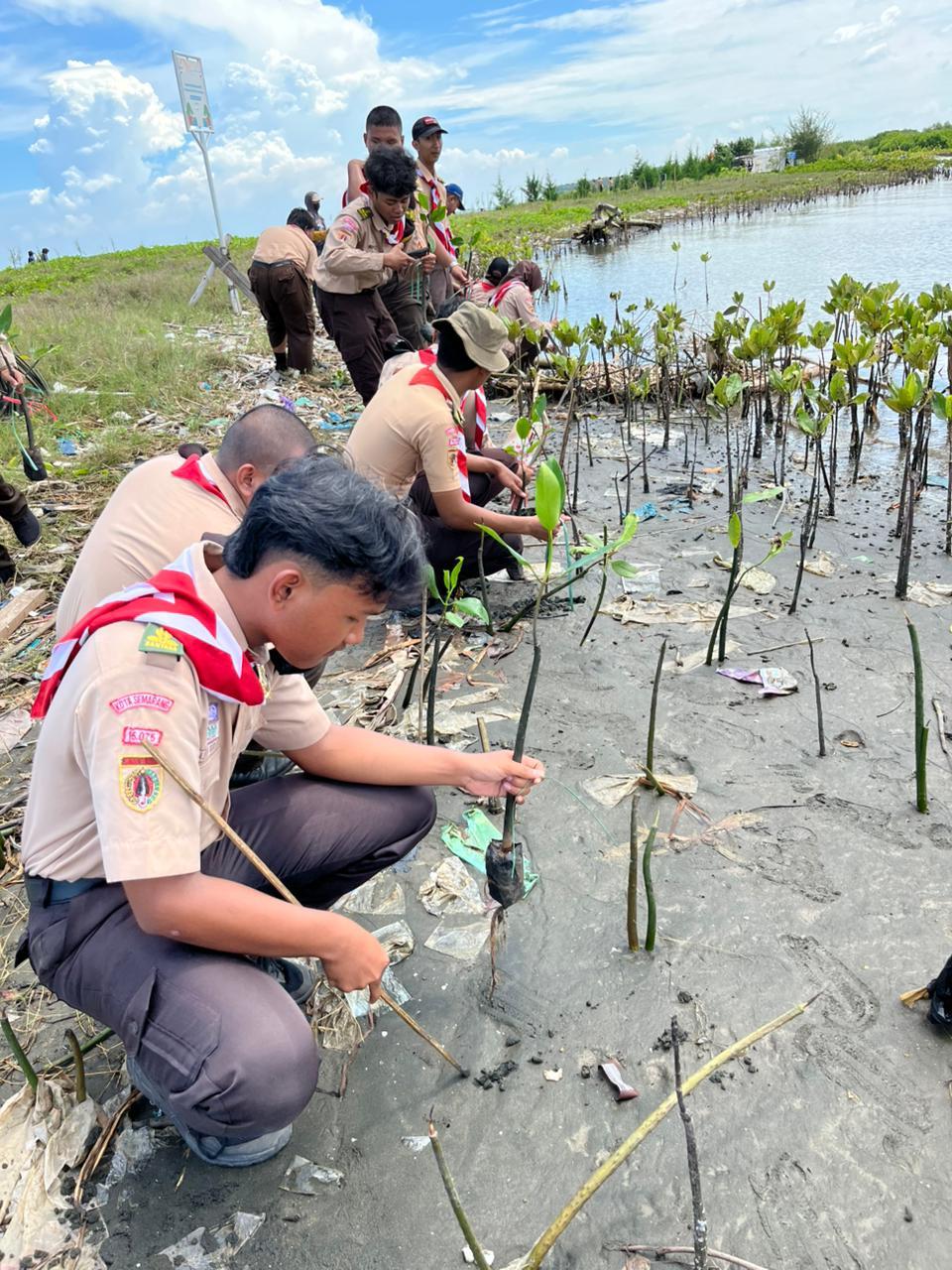
In Semarang, Central Java, Scouts worked with residents of Nongkosawit to turn dried leaves and flowers into acrylic souvenirs that local women could sell to visitors.
“It is an honor for us to be part of this Scout event,” said Al Choiri. “The housewives here can learn this skill and sell the products to visitors.”
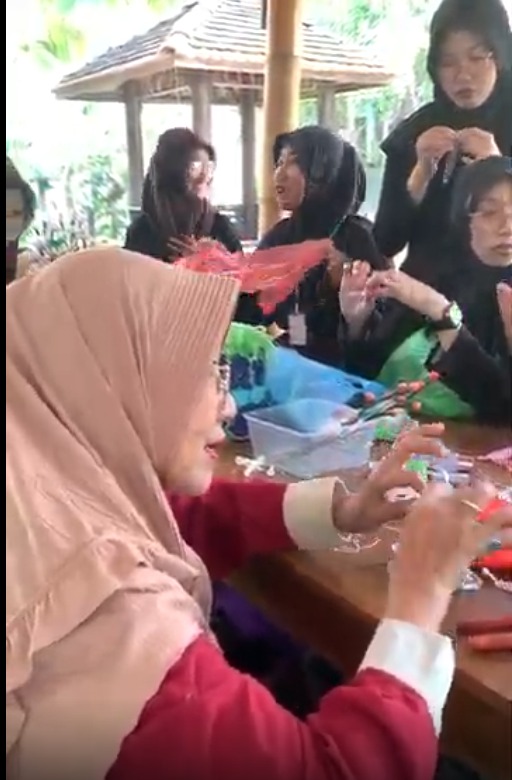
These projects may seem modest at first glance. A garden here. A livelihood activity there. A wall transformed into art.
But taken together, they point to something much bigger.
They challenge a deeply rooted assumption that young people are merely recipients of development.
By teaching Scouts how to listen, analyze root causes, test ideas, and work alongside communities, the program gives them more than technical skills. It gives them agency. And in development, agency matters because sustainable solutions will endure when they are designed by people who live closest to the problem and who have a genuine stake in solving it.
In a country as large and diverse as Indonesia, where every province faces different challenges, that approach feels especially relevant. The most meaningful solutions are rarely imposed from above. More often, they emerge from local knowledge, shared ownership, and the willingness to experiment.
These projects may only scratch the surface of the challenges facing Indonesia, but they show what is possible when young people are given the chance to get their hands in the work and help shape the solutions their communities need.
Because sometimes, all it takes is trust to begin, skills to understand the community around them, and support to turn ideas into action.